Expert Hornet Removal in Coconut Creek, Florida
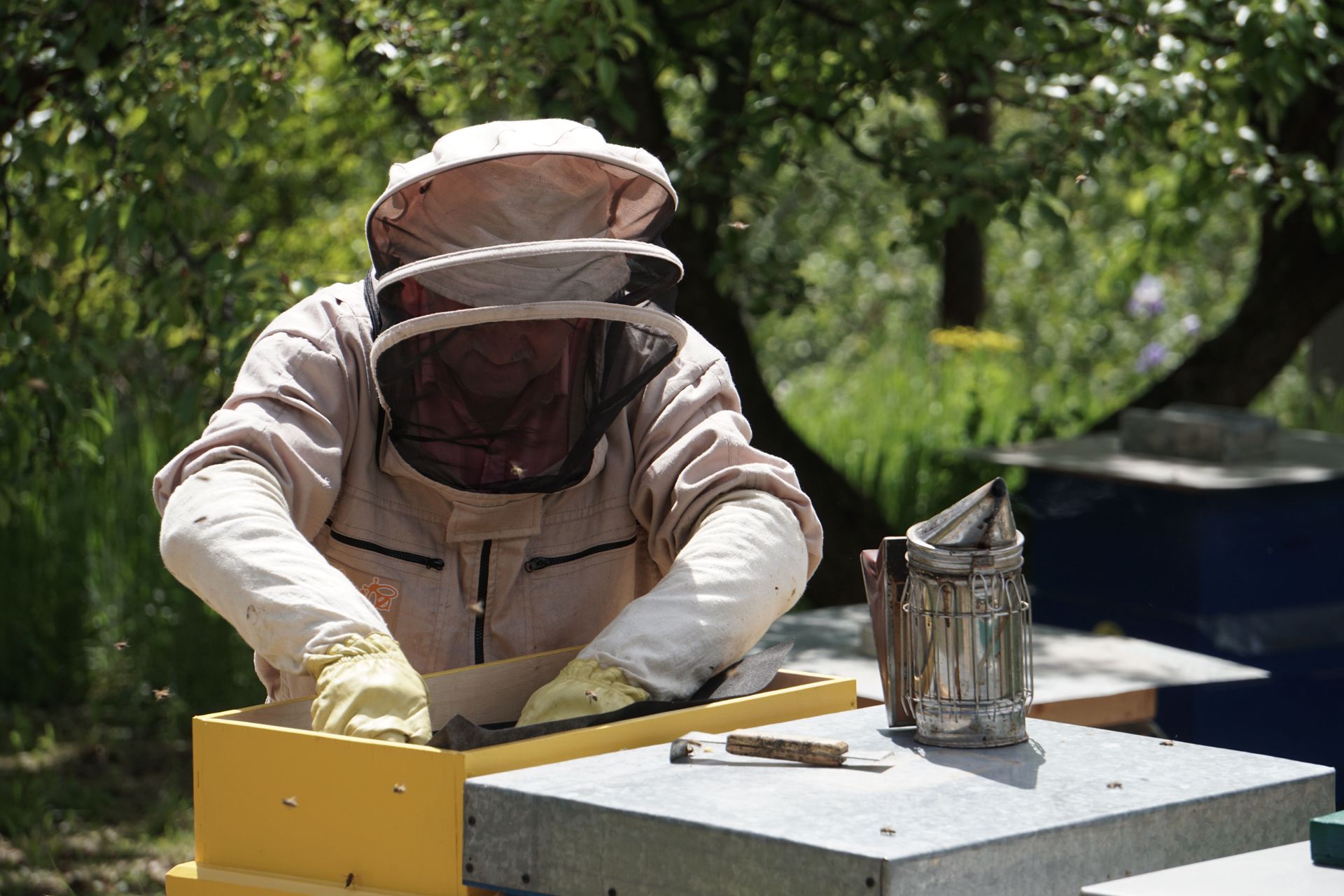

Encountering hornets around your home or business is cause for serious concern. These large, aggressive stinging insects are notorious for their painful stings and fierce defense of their nests. Unlike many other stinging insects, hornets can sting multiple times, making a direct confrontation extremely dangerous, especially for those with allergies. When you spot a hornet nest, you need immediate, professional intervention to protect your family and property. We’re ready to neutralize the threat safely.
What We Cover:
- Bee Swarm Removal
- Bee Hive Removal
- Wasp Removal
- Carpenter Bee Removal
- Identifying Hornet Nests
- Our Safe & Effective Process
- Why Hornets are Particularly Dangerous
- Preventing Hornet Returns
- Emergency Hornet Response
Why Choose Us for Your Bee Removal for Hornets
Hornet removal is not a job for the faint of heart or the inexperienced. Their highly aggressive nature and potent venom demand a professional approach. Our technicians are specially trained and equipped with heavy-duty protective gear and targeted solutions to handle hornets effectively and safely. We understand the specific risks associated with different hornet species prevalent in the area and ensure a precise and complete eradication without endangering you or your surroundings.
Our Process for Safe Hornet Nest Elimination
When you contact us about hornets, our first step is to accurately locate and identify the hornet nest. Hornets typically build large, papery, football-shaped nests in trees, dense bushes, or sometimes even in wall voids near the Coconut Creek Promenade. We then carefully approach the nest, often during off-peak hours when the colony is less active, to apply a professional-grade treatment that quickly neutralizes the hornets. Once the threat is eliminated, we safely remove the nest, ensuring no lingering attractants remain and providing recommendations to prevent future issues.
Call us for rapid and safe hornet removal services!
Identifying Common Hornet Species in Our Area
Throughout South Florida, the most common hornet you'll encounter is likely a type of yellowjacket, often misidentified as a true hornet. However, we do see other large, aggressive wasps like European hornets. These insects are typically larger than bees or other wasps, with distinct yellow and black or white markings. Their nests are large, made of chewed wood fiber, and are often suspended from branches or within dense foliage. Identifying the exact species helps us tailor the most effective Hornet Removal in Coconut Creek, Florida, to your situation, whether you're by Tradewinds Park or closer to Lyons Road.
Why Are Hornet Stings So Dangerous?
Hornet stings are particularly dangerous for several reasons. Firstly, they are known for their ability to sting repeatedly without losing their stinger, unlike honey bees. Secondly, their venom is potent and can cause severe localized pain, swelling, and redness. For individuals with allergies, a single hornet sting can trigger anaphylactic shock, a life-threatening reaction. Even for those without known allergies, multiple stings can overwhelm the body's system, leading to serious medical complications. Never underestimate the threat of a hornet nest on your Coconut Creek property.
Can I Really Handle a Hornet Nest Myself?
Attempting DIY hornet nest removal is extremely dangerous and highly discouraged. Hornets are fiercely protective of their nests, and disturbing them without proper training and gear can lead to a swarm attack, resulting in numerous painful and potentially life-threatening stings. Over-the-counter sprays are rarely effective against an entire colony and often just agitate the hornets further. Trust the professionals who have the experience, equipment, and safety protocols to handle these aggressive pests safely and completely, protecting your home and family.
Don't take chances with hornets. Call us for expert removal!
Preventing Hornets from Returning
Once we've successfully removed a hornet nest from your property, we'll offer valuable advice to help prevent future infestations. This includes regularly inspecting your yard and home exterior for early signs of nest construction, especially in secluded or high-up areas. Sealing cracks and crevices, trimming back dense bushes and tree branches, and removing outdoor food sources can also make your property less attractive to hornets. Proactive steps are key to maintaining a hornet-free environment.